What is the self – priming ability of a plunger pump?
As a supplier of plunger pumps, I’ve received numerous inquiries about the self – priming ability of our products, which is an essential characteristic that defines the efficiency and applicability of these pumps in various industrial and commercial settings. In this blog, I will delve into the concept of the self – priming ability of plunger pumps, exploring its significance, how it works, factors affecting it, and why it’s a crucial feature for potential buyers. Plunger Pump
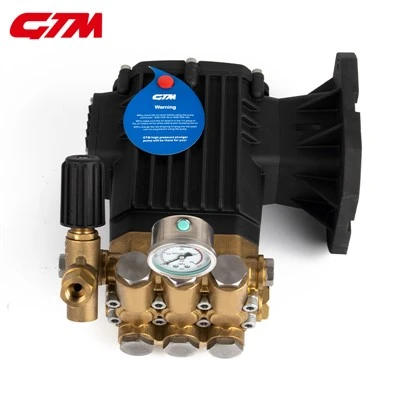
Understanding Self – Priming Ability
Self – priming is the capability of a pump to evacuate air from the suction line and pump casing, creating a vacuum that allows the liquid to be drawn into the pump without the need for external priming equipment. For a plunger pump, this means that it can start pumping liquid even when the pump and the suction line are initially filled with air.
In practical terms, self – priming is a game – changer. In industries where the pump needs to operate intermittently or where the suction source can vary, such as in dewatering applications, sewage systems, or mobile chemical transfer, the ability to self – prime eliminates the need for constant manual intervention to prime the pump. This not only saves time but also reduces labor costs and the risk of human error in the priming process.
How Plunger Pumps Achieve Self – Priming
Plunger pumps are positive displacement pumps that use a reciprocating plunger to create pressure differentials. To achieve self – priming, they typically rely on a combination of design features and operating principles.
One common method is the use of a built – in air – liquid separation chamber. When the plunger moves backward, it creates a low – pressure area in the pump chamber. This low – pressure area causes air in the suction line to be drawn into the pump. As the air – liquid mixture enters the pump, it flows into the air – liquid separation chamber. The air rises to the top of the chamber and is expelled through the discharge port, while the liquid remains in the lower part of the chamber.
As the plunger moves forward, it pressurizes the liquid in the chamber, forcing it into the discharge line. This process is repeated until the air in the suction line is completely removed, and the pump is fully primed with liquid. Once the priming is complete, the pump continues to operate normally, transferring the liquid from the suction source to the desired destination.
Another design element that aids in self – priming is the check valve system. Check valves are placed at the inlet and outlet of the pump. The inlet check valve opens when the plunger moves backward, allowing air or liquid to enter the pump. When the plunger moves forward, the inlet check valve closes, preventing the backflow of the pumped fluid. The outlet check valve opens during the forward stroke of the plunger, allowing the fluid to be discharged, and closes during the backward stroke to maintain the pressure in the discharge line.
Factors Affecting the Self – Priming Ability of Plunger Pumps
Several factors can influence the self – priming ability of plunger pumps. Understanding these factors is crucial for ensuring optimal pump performance.
Viscosity of the Liquid: The viscosity of the liquid being pumped plays a significant role in self – priming. Highly viscous liquids are more difficult to pump and can impede the air – liquid separation process. For example, thick oils or syrups may require longer priming times or additional measures, such as pre – heating the liquid, to improve the self – priming performance of the pump.
Suction Lift: The suction lift, which is the vertical distance between the liquid surface in the suction source and the centerline of the pump, affects the self – priming ability. As the suction lift increases, the pump has to work harder to create a sufficient vacuum to draw the liquid into the pump. Most plunger pumps have a maximum suction lift limit specified by the manufacturer. Exceeding this limit can result in poor self – priming or even the pump’s inability to prime at all.
Air Leakage: Any air leakage in the suction line or pump casing can disrupt the self – priming process. Even a small leak can allow air to enter the system, preventing the pump from creating a proper vacuum. Therefore, it is essential to ensure that all connections in the suction line are tight and that the pump casing is properly sealed.
Pump Speed: The speed at which the plunger moves can also impact self – priming. A higher pump speed can increase the rate of air evacuation from the suction line, but it may also cause excessive turbulence in the air – liquid mixture, making it more difficult for the air to separate from the liquid. On the other hand, a very low pump speed may not generate enough vacuum to draw the liquid into the pump efficiently. Finding the optimal pump speed is crucial for achieving the best self – priming performance.
Significance of Self – Priming Ability for Buyers
The self – priming ability of plunger pumps offers several advantages to buyers.
Convenience: As mentioned earlier, self – priming pumps eliminate the need for external priming equipment and manual priming procedures. This makes them more convenient to use, especially in remote or hard – to – access locations. For example, in agricultural irrigation systems where the pump may need to be moved frequently, a self – priming plunger pump can be easily started without the hassle of priming.
Reliability: Self – priming pumps are more reliable in situations where the pump may run dry or where the suction source may be intermittent. Since they can automatically prime themselves when liquid becomes available, they are less likely to suffer from damage caused by dry running. This reduces maintenance costs and downtime, ensuring continuous operation in critical applications.
Versatility: The self – priming feature allows plunger pumps to be used in a wider range of applications. They can handle different types of liquids, including those with a certain amount of air or gas entrained in them. This makes them suitable for applications in the chemical, pharmaceutical, and food processing industries, where the nature of the fluids being pumped can be complex.
Why Choose Our Plunger Pumps for Self – Priming Applications
As a leading supplier of plunger pumps, we take pride in offering products with exceptional self – priming capabilities. Our pumps are designed with advanced air – liquid separation chambers and high – quality check valves to ensure efficient and reliable self – priming.
We understand that different applications have different requirements, and we offer a wide range of plunger pumps with varying self – priming performance. Whether you need a pump for a small – scale laboratory application or a large – scale industrial process, we have the right solution for you.
Our engineering team is always available to provide technical support and advice on selecting the most suitable pump for your specific needs. We can help you determine the optimal pump speed, suction lift, and other parameters to ensure that your pump operates at its best.

If you are in the market for a plunger pump with excellent self – priming ability, we invite you to contact us for a detailed discussion. Our experienced sales team is ready to assist you in finding the perfect pump for your application. We can provide you with product specifications, pricing information, and any other details you may need to make an informed purchasing decision.
High Pressure Washer Accessories Don’t miss out on the benefits of a self – priming plunger pump. Reach out to us today and let us help you find the ideal solution for your pumping needs.
References
- Karassik, I. J., Messina, J. P., Cooper, P. T., & Heald, C. C. (2008). Pump Handbook. McGraw – Hill.
- Gulich, J. F. (2010). Centrifugal Pumps. Springer.
Zhejiang GTM Hi-Tech Intelligent Equipment Co., Ltd.
We are one of the most experienced plunger pump manufacturers and suppliers in China, also support customized service. Please feel free to buy discount plunger pump for sale here from our factory. Quality products and reasonable price are available.
Address: No.5 of Changjiang Road, 2nd Economic Development Zone of Wenling, Zhejiang, China
E-mail: yehuanting1@hongyemfg.com
WebSite: https://www.gtmplungerpump.com/
