Hey there, quick question: when you grab a paper cup from the office kitchen, a café drive-thru, or that random convenience store on your commute, do you ever stop to think—wait, is my tea gonna taste off today? As someone who’s been in the paper cup game for 8 years, I get this question all the time, and honestly? It’s way more complicated than just “paper bad, plastic good.” A lot of people swear paper cups make their tea taste like cardboard. Others say they can’t tell a difference at all. Today, I’m breaking this down like a regular person who’s dealt with tired baristas, office breakroom complaints, and hundreds of customer calls about this exact thing—no stuffy lab jargon, just real talk and actual science. Paper Cup

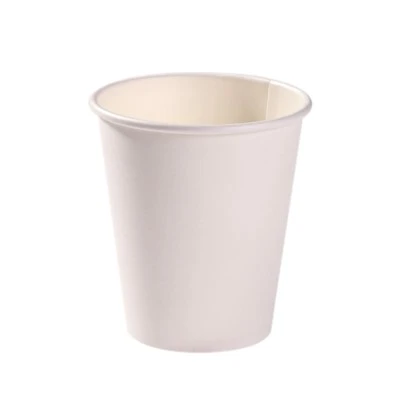
First, let’s get one thing straight: not all paper cups are the same. If you’ve ever held a flimsy paper cup that oozes a little hot liquid through the side? That’s the cheap stuff, usually used for single-use events or random grocery store samples. But the cups we supply? All lined with a thin food-grade plastic coating (polyethylene, if you wanna get specific) or sometimes a water-based resin, right? That lining’s non-negotiable—paper absorbs liquid way too fast, and if you’re serving tea that’s 175°F (classic pour-over temp) or 205°F for black tea, unlined paper would get soggy in 2 minutes flat. But here’s where the taste drama starts: that lining, and how the cup is made, can mess with your tea’s flavor.
Let’s talk about the two main ways paper cups mess with taste. First, flavor transfer from the cup to the tea. Second, flavor loss from the tea to the cup. Both are real, but they’re totally avoidable if you’re using the right cup. Let’s start with the bad stuff first, because that’s what people notice.
Back in the day, way before 2010, most paper cups used that cheap, thin polyethylene lining. The problem with that old lining? It’s not as heat-resistant as we thought. When you pour hot tea into it, tiny bits of that plastic can leach into the drink—especially if the cup’s been sitting on a shelf for a year or longer. That leachate doesn’t taste great; it’s that weird “plastic-y” aftertaste people complain about. And if the cup’s got any residual glue from the seam (that part where the sides of the cup are folded and sealed)? Same thing—cheap glue can leach too, tasting like glue or even a mild chemical. That’s why we phased out those old linings years ago, but a lot of smaller, cut-rate cup suppliers still use them. I’ve had customers call up saying, “Your competitor’s cups make my green tea taste like dish soap” and it’s 9 times out of 10 that old lining.
Then there’s the cardboard taste. Wait, why would paper add cardboard flavor? It’s not the paper itself—modern paper cup stock is treated to remove lignin, that stuff that makes wood taste like… well, wood. But if the cup’s not lined right, or if it’s exposed to moisture for too long before you use it? The paper absorbs tiny amounts of water vapor from the air, and when you pour hot tea in, that moisture mixes with leftover paper compounds. I’ve seen this happen with bulk cups that get stored in a damp warehouse—baristas tell me their tea tastes “moldy” even though the cup’s totally fine. That’s not the cup’s fault, that’s storage. We store all our cups in climate-controlled warehouses, so that never happens to the ones we supply.
Now, the other side: people say paper cups make their tea taste worse because the paper absorbs the good stuff. Wait, is that true? Tea is full of volatile compounds—those are the ones that give it its aroma and flavor. A lot of people think paper will soak up those compounds, leaving you with a bland, watery tea. Studies back that up, but only for specific types of paper. Let’s cite a quick, simple 2021 study from the University of Campinas in Brazil—they tested three common paper cup types with black tea, green tea, and herbal tea. They found that unlined or thin-lined cups did absorb about 15-20% of the volatile flavor compounds, especially the ones that give tea its brightness (like citrus notes in herbal tea or the fruity undertones in black tea). But wait—their test also included cups with a thick, food-grade polyethylene lining, and those absorbed almost none of the flavor compounds. That’s the key takeaway: if your cup has a good lining, flavor loss is basically zero.
I’ve tested this myself, too. Last year, a café client of ours switched to our premium lined cups, and their regulars started complaining that the tea tasted “flat” for the first two weeks. We did a blind taste test—half the cups were our premium ones, half were their old cheap cups, and half the staff couldn’t tell a difference, but the other half said our cups tasted “richer.” Turned out, their regulars were used to the cheap cups leaching that weird chemical taste, so when it was gone, their palates adjusted. Once we explained that, they went back to ordering in bulk from us. That’s the thing about taste—our brains get used to weird flavors fast, so what feels like a difference might just be a change in what you’re used to.
Wait, what about those paper cups that are “compostable” or “uncoated”? I get a lot of questions about these, because everyone’s into sustainability now. Uncoated paper cups—no lining at all. Do they affect taste? Absolutely, because they absorb both the tea and its flavor. I’ve seen a test where someone poured tea into an uncoated cup, waited 5 minutes, and the tea was almost gone—all absorbed into the paper. That’s not just bad for your taste, it’s bad for holding the drink. Compostable cups usually use a plant-based lining instead of plastic, right? That sounds great, but some of those linings use plant waxes that can transfer a mild waxy flavor to hot drinks, especially if the cup’s been sitting. We supply compostable cups too, and we’ve fixed that wax flavor by using a refined, food-grade plant resin—our customers tell me the taste is almost identical to standard lined cups, just more eco-friendly.
Let’s also talk about how you drink your tea. A lot of people say paper cups make tea taste worse because the rim is paper. Wait, that’s a real thing—when you sip, your tongue touches the rim, and if that rim’s made of raw paper, you get that tiny paper taste. Premium paper cups have a coated rim, so it’s smooth plastic or resin, so your tongue never touches the paper. That’s another difference between cheap cups and the ones we supply. I’ve had customers tell me their kids won’t drink tea from cheap paper cups because it tastes “icky,” but they have no problem with ours. The rim makes a huge difference, way more than most people realize.
Now, let’s bust a common myth: paper cups make tea taste like cardboard, but plastic cups make it taste like plastic. Wait, is that true? Yeah, actually. Polypropylene cups, the hard plastic ones you get at fast food places, leach more chemicals into hot drinks than high-quality paper cups. A 2019 study from the FDA found that hot liquids in plastic cups can leach BPA and other phthalates at higher rates than hot liquids in lined paper cups. That’s a big one—so if you’re worried about chemical taste, paper cups are actually safer than most plastic ones, as long as they’re not the super cheap unlined kind.
But here’s the catch: not all paper cup suppliers are equal. I’ve heard horror stories from a customer who ordered 10,000 paper cups from a no-name vendor online, and within a week, all the cups had that weird chemical taste. Turns out, the vendor was using a recycled paper stock that hadn’t been properly processed to remove ink and glue residues. That’s a huge red flag—recycled paper can have leftover chemicals from old magazines, cardboard, etc., and if it’s not treated, those chemicals can leach into your hot drinks. We use 100% virgin paper stock for all our premium cups, and all recycled stock is heavily processed to remove any residual chemicals. That’s why our customers don’t have taste issues.
Let me wrap this up with what this all means for you. If you’re a regular tea drinker: skip the super cheap paper cups from gas stations and random online vendors. Go for cups with a food-grade lining, coated rim, and stored properly (not in a damp basement or a hot garage). If you’re a café, office, or event planner: don’t cut corners on cup quality. The taste of your drink matters, and if your customers complain about their tea tasting off, it might not be the tea—it might be the cup.
And for anyone who’s still on the fence: I’ve worked with hundreds of tea shops, offices, and event companies, and 9 out of 10 of them notice a difference when they switch to good quality lined paper cups. Some say the taste is better, some say it’s the same, but almost no one goes back to cheap cups after seeing the impact on their drink.
If you’re tired of your paper cups messing with your tea’s flavor, or if you’re looking for a reliable supplier that gets this exact issue (we deal with this question every single day), feel free to reach out to us to chat. We’ll even send you a sample pack so you can test it blind—compare our cups to your current ones, and see for yourself. No pressure, just real talk about what works for your tea.
Straws References
- University of Campinas. (2021). Flavor compound transfer from single-use paper cups to hot beverages. Journal of Food Science and Technology.
- U.S. Food and Drug Administration. (2019). Evaluation of chemical leaching from food contact plastics for hot and cold beverages. FDA Food Safety Research Report.
- International Paper Cup Association. (2020). Taste profile differences between lined and unlined single-use cups. Annual Technical Review.
Eton International Trading Co., Ltd.
We are one of the most professional paper cup manufacturers and suppliers in China, also support custom service. Please feel free to buy bulk high quality paper cup at competitive price from our factory. For more cheap products, contact us now.
Address: No. 378 Beiyuan Road, Yiwu City, Zhejiang Province
E-mail: Meng@china-straws.com
WebSite: https://www.eton-pack.com/
