If you’ve ever worked with thermoplastic elastomers (TPEs) for any kind of manufacturing, you’ve probably run into TPEE – Polyester Thermoplastic Elastomer, that stretchy, durable workhorse that’s all over automotive parts, consumer goods, even medical devices. As someone who’s been in the TPEE supply game for the last 8 years, I get the number one question we get from m older guys, small batch prototypers, and even mid-sized fabricators: “Wait, can TPEE actually be thermoformed?” I see so much confusion online about this, and it’s usually from people lumping all TPEs together like they’re all the same, which they’re definitely not. Let me break this down like I would over a coffee at the trade show booth, no stuffy jargon, just real talk about what works and what doesn’t with TPEE thermoforming. TPEE – Polyester Thermoplastic Elastomer
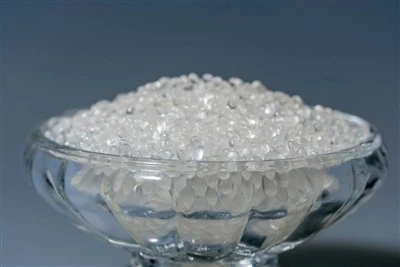
First, let’s get one thing straight: thermoforming isn’t a one-size-fits-all process. You take a plastic sheet, heat it up until it’s bendy and moldable, pull it over a tool, cool it down, and boom, you have a part. But different plastics have totally different sweet spots for heat – some melt too fast, some stay rigid when they should be soft, and TPEE is right in that weird middle zone that trips a lot of people up. A lot of folks I talk to mix TPEE up with TPU, or even cheaper TPEs like styrenic ones (TPS). TPS, for example, are super easy to thermoform because they soften evenly at low temps, but they fall apart fast when exposed to heat, UV, or even just repeated bending. TPEE, though? That’s the premium cousin of TPEs – it has way better tensile strength, chemical resistance, and that stretchy memory that makes it bounce back. But that same structure that makes TPEE great for hoses, seals, and grip parts also makes it a bit trickier to thermoform, not impossible, just not as straightforward as grabbing a sheet of PET or TPS.
Let’s talk about why thermoforming TPEE works for some parts and flops for others. The key here is grade, plain and simple. Not all TPEE is created equal. We have TPEE grades on our shelves right now that are specifically engineered for thermoforming, and grades that are way better for extrusion or injection molding. The thermoformable TPEE grades we supply have a more balanced molecular structure – they don’t have that grainy consistency that makes cheap TPEE sag unevenly when heated, and they have a higher melt strength, which is the stuff that keeps the sheet from stretching too thin in the middle when you pull it over a mold. I’ve seen fabricators try to use a standard extrusion-grade TPEE sheet for thermoforming, and 9 times out of 10, they end up with a part that’s so thin in the corners it tears, or a sheet that sags like a sad pancake before it even touches the tool. That’s not TPEE’s fault – that’s using the wrong grade for the job.
Now, let’s get into the real-world stuff, because numbers are great but actual experience is what matters. Last year, we worked with a small automotive prototyping shop that needed custom weatherstripping seals for a vintage truck project they were building. They’d tried injection molding for small runs, but it was way too expensive for just 50 units, so they came to us asking about thermoforming TPEE. We hooked them up with our thermoform-specific TPEE sheet, told them their process steps, and within two weeks, they had perfect seals that held up way better than the old rubber parts they were replacing. Another client, a manufacturer of outdoor grip handles for power tools, had been using TPU thermoformed parts that were cracking after just a few months in the sun. They switched to our thermoform-grade TPEE, and now their handles last 3x longer, no thermoforming headaches at all. But I’ve also had a client who tried thermoforming a super deep draw part – like a plastic tray that’s 6 inches deep – with TPEE, and it didn’t work. Why? Deep draws need a material that can stretch a lot without thinning, and while our TPEE grades are stretchy, ultra-deep draws are still a push because TPEE doesn’t stretch as uniformly as, say, silicone. It’s not that it’s impossible, it’s that you have to adjust your process.
Speaking of process adjustments – that’s the other big piece of the puzzle. If you’re used to thermoforming PET or TPS, you can’t just plug TPEE into the same machine settings. TPEE needs a higher temperature to soften, usually around 150-200°C (that’s 300-390°F), which is hotter than most common thermoform plastics. But here’s the catch: you can’t just blast it with heat to get it there fast. TPEE is sensitive to overheating – if you heat it too much, it will start to degrade, get cloudy, and lose that stretchy elasticity. We always tell our clients to use radiant heating, not direct contact heat, and to test small strips first to find the exact sweet spot. Then there’s the forming step: TPEE doesn’t cool as fast as rigid plastics, so you need to hold it on the tool a little longer, usually 10-20 extra seconds, to make sure it sets properly without warping. Another trick we pass along: pre-stretching the sheet a little before forming, especially for parts that have thinner corners or edges, to avoid that uneven thinning that plagues a lot of TPEE thermoformed parts.
A lot of people ask me, “Why not just use injection molding for TPEE parts?” And fair question – injection molding is super common for TPEE, it works great for high-volume parts, and you get really tight tolerances. But thermoforming is way cheaper for small runs, low-volume prototypes, or large, flat parts like covers, trays, or grip surfaces. For a startup that’s testing a new product and only needs 100 units, thermoforming TPEE is a no-brainer – you don’t have to pay for expensive injection mold tooling, which can cost tens of thousands of dollars, just to test a design. We’ve had a lot of medical device startups come to us lately, too – they need small, flexible covers for sensors that can withstand repeated sterilization, and thermoformed TPEE is perfect for that because it’s biocompatible, chemical resistant, and way more affordable than injection molding for small batches.
But let’s be real, it’s not all sunshine and stretchy seals. There are limitations, and I don’t want to lead anyone on thinking TPEE thermoforming is for every job. First, like I said, deep draws are tricky. If you need a part that’s more than 3x the depth of its width, TPEE might not be your best bet – right now, for that kind of deep draw, rigid plastics like ABS or even some silicones work better. Second, the finish: thermoformed TPEE has a slightly matte, softer finish compared to injection molded TPEE, which is fine for most applications, but if you need a super glossy, high-shine part, you might have to post-process it a little, or use a different grade. Third, material consistency: TPEE sheet can have small variations in thickness if it’s not manufactured right, which will mess up thermoforming. That’s why we only supply TPEE sheets that are calibrated to within 0.005 inches of thickness, so our clients don’t have to deal with that headache.
Over the last few years, I’ve seen the demand for thermoformed TPEE parts skyrocket, and it’s not just because it’s cheaper. More and more manufacturers are realizing that TPEE’s benefits – durability, flexibility, chemical resistance – make it way better than cheaper TPEs or even some rubbers for a lot of use cases. The old myth that “TPEE can’t be thermoformed” is just that – a myth. It’s all about using the right grade, adjusting your process, and not treating TPEE like it’s the same as every other plastic you’ve thermoformed before.
I remember about three years ago, a client came to me panicking – they’d spent $10,000 on an injection mold for a line of outdoor storage bins that had flexible seals around the lid, and when they tested the first parts, the seals cracked after a month in the sun. They tried switching to rubber, which was even more expensive, then they remembered that TPEE was the material they’d looked at initially, and asked if thermoforming could work. We sent them a sample of our thermoform-grade TPEE, they tried thermoforming small test parts, tweaked their heat settings a little, and now that line of bins has been selling for over two years, with zero seal failures. That’s the kind of win that makes all the process tips and grade explanations worth it.
Another thing I get asked a lot: can you thermoform TPEE with other materials, like co-extruded sheets? Yeah, absolutely. We supply co-extruded TPEE sheets with a thin layer of rigid plastic on one side, which is perfect for parts that need a hard backing – like a grip handle for a garden tool that has a hard core and a soft TPEE surface. Thermoforming those works exactly the same as plain TPEE, as long as you adjust the heat to account for the rigid layer. It’s a common trick for parts that need both flexibility and structure, and it works way better than bonding two separate parts together.
If you’re still on the fence about whether TPEE thermoforming is right for your project, here’s the quick checklist I give everyone: 1) Are you making a flat or shallow-draw part? (Shallower than 3:1 depth-to-width ratio.) 2) Is your part going to be exposed to heat, UV, or chemicals? 3) Do you need flexible, stretchy parts that hold their shape? If you answered yes to most of these, thermoformed TPEE is almost definitely worth testing. If you’re still not sure, shoot us a message – we send out free small samples all the time, and our team has helped dozens of shops work out their first TPEE thermoforming runs without them wasting time or money on bad parts.
At the end of the day, the biggest mistake I see people make is writing off TPEE because they tried one bad thermoforming run with the wrong grade of material. TPEE is an amazing material, and it’s totally possible to thermoform it successfully – you just have to do it right. We’ve been supplying TPEE sheets for over a decade, and we’ve worked with everyone from one-person prototyping shops to large automotive manufacturers, and every single one that took the time to use the right grade and adjust their process got great results.
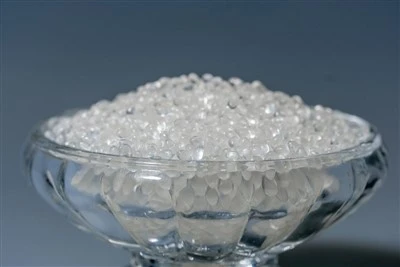
If you’re currently working on a project that could benefit from thermoformed TPEE, or if you’re curious about testing it for a new product, reach out to our team to learn more about our thermoform-grade TPEE sheets, process tips, and sample options. We’re here to help you figure out if TPEE thermoforming is the right fit for your parts, no pressure, no confusing sales jargon, just real advice from people who actually work with this material every day.
TPU – Thermoplastic Polyurethane Elastomer References
- "Thermoforming of Thermoplastic Polyester Elastomers (TPEE)." Society of Plastics Engineers (SPE) Thermoforming Division Technical Paper, 2021.
- Polyester Thermoplastic Elastomers: Properties, Processing, and Applications. Hanser Gardner Publications, 2019.
- "Material Selection for Thermoformed Flexible Parts." Journal of Thermoplastic Elastomers and Materials, vol. 34, no. 2, 2022, pp. 189-212.
- ASTM D4595 – Standard Test Method for Tensile Properties of Geotextiles by the Wide-Width Strip Method, relevant for TPEE sheet tensile performance in thermoforming.
- "Process Adjustments for Thermoforming High-Performance TPEs." Plastics Technology Magazine, October 2020, pp. 42-45.
Kunshan Kesun Polymer Co., Ltd.
Kunshan Kesun Polymer Co., Ltd. is one of the most professional TPEE manufacturers and suppliers in China, featured by quality products and low price. Please feel free to wholesale bulk eco-friendly TPEE from our factory. Contact us for customized service and free sample.
Address: No.108, Jinmao Road, Zhoushi Town, KunShan, Jiangsu, China
E-mail: melody_yang@kesuntpe.com
WebSite: https://www.kesun-tpe.net/
