If you’ve ever stood in the aisle of a grocery store, or spent an afternoon packing boxes for a move, or even wrapped a leftover sandwich to keep it fresh for lunch the next day, chances are you’ve grabbed a roll of thin, clear plastic to get the job done. For years, I’ve been a cling film supplier, and I can’t tell you how many times customers have stopped me mid-talk, holding up a roll of film, and said, “Wait, is this stretch wrap or cling film?” It’s a totally fair question—most of us use these two terms interchangeably, but they’re not the same product at all. They’re made for very different jobs, work in different ways, and if you use the wrong one, you’ll end up with a mess that doesn’t solve what you actually needed. Let’s break this down, from a supplier who’s spent years testing both, dealing with customer mistakes, and understanding exactly what makes each product tick. Cling Film

First, let’s start with what most people actually mean when they say “cling film.” For home use, that’s almost always the thin, stretchy plastic you pull out of a small box with a serrated edge, designed to stick to itself and only itself, right? You wrap it around a bowl of pasta to keep it from drying out, or cover a leftover takeout container, or wrap a peanut butter and jelly sandwich so it doesn’t get crushed in your bag. That’s the cling film I supply—formulated for that light, everyday home use, and also for commercial kitchens that need to wrap food, keep it fresh, and seal out air without sticking to the food itself if possible. It’s the workhorse of home and small-scale food prep, and it’s been around in some form for over 100 years, though the modern version we use today got its big break in the 1950s, when home refrigerators became a staple in most American kitchens.
The key here is the “cling” part. Cling film gets its stick from a special additive that we mix into the plastic resin during manufacturing, usually linear low-density polyethylene (LLDPE) or low-density polyethylene (LDPE) to keep it thin and flexible. That additive—often called a slip agent or cling agent, like a fatty acid derivative or a silicone-based compound—doesn’t make it sticky like glue. Instead, it’s a low-tack adhesive that only activates when it presses against a smooth, non-porous surface, usually another layer of the same film. It’s why you can wrap it around a bowl, press it to the edge, and it stays sealed, but if you accidentally get it on your wooden cutting board or your fingers, it doesn’t stick there long enough to ruin your prep or leave a mess. For food use, the cling film I supply is also formulated to meet food safety standards—no toxic additives that can leach into food, even when it’s used in the microwave (as long as you vent it, which is a good tip I always give customers). That’s why it’s meant for wrapping individual portions, small bowls, and food that’s going to be stored in a fridge or at room temperature for a day or two.
Now, stretch wrap—sometimes called pallet wrap, shrink wrap (though shrink wrap is a slightly different product), or pallet stretch film—looks similar at first glance. It’s also thin, clear plastic, usually coming on a much larger roll, often 10 inches or more wide, and it’s what warehouse workers use to wrap entire pallets of goods, securing boxes so they don’t shift during shipping or storage. But here’s where the differences start to show. Stretch wrap doesn’t cling to itself because of a special additive. It clings because you stretch it as you wrap it. The manufacturing process gives it a high tensile strength, so when you pull it tight around a pallet, it stretches up to 300% of its original length, and that stretching creates tension. That tension is what holds the wrap tight to itself and to the pallet—there’s no sticky additive at all. No food-safe additive, no slip agent, just pure plastic designed for heavy-duty holding.
I learned this early on in my career as a cling film supplier, when a local moving company called me in a panic. They’d run out of their regular stretch wrap, so they grabbed stacks of cling film from a local grocery store supplier to use for wrapping boxes for a cross-country move. By the time their delivery arrived, half the boxes were unwrapped, and the boxes that stayed wrapped had broken open, because the cling film couldn’t hold up to the jostling of a 3000-mile truck ride. They thought the two products were the same, and they were totally wrong. Cling film is thin—usually 7 to 15 microns thick. Stretch wrap is thick, usually 15 to 100 microns thick, because it needs that extra strength to hold hundreds of pounds of boxes. Cling film will tear if you pull it tight around a pallet. Stretch wrap is designed to stretch without tearing, because that tension is its whole purpose.
Another big difference is the environment they’re meant to protect, and how they react to outside conditions. Cling film is for short-term, gentle food storage. It’s not made to hold up to temperature extremes, like the freezing cold of a warehouse or the heat of a truck in summer. Stretch wrap is designed for long-term storage and shipping, so it’s made to resist UV rays (a big one—left in direct sun, regular cling film will break down and become brittle in a week or two, while stretch wrap can last months outdoors), moisture, and rough handling. If you use cling film to wrap a pallet of goods, it will tear, leave gaps, and let dirt, moisture, or pests get in. If you use stretch wrap to cover a bowl of leftover chili, it won’t stick to the bowl, it will snap instead of wrapping tight, and it’s not food-safe—you’ll end up with chemicals leaching into your food, which is a huge risk for home cooks and commercial kitchens alike.
There’s also a difference in how they’re applied, which might seem small but makes a huge impact on their performance. Cling film is meant to be pulled off a small roll, twisted around the item, and pressed lightly to seal. You don’t need any tools—your hands work fine, though some people use plastic dispensers to keep it from sticking to itself as you pull. Stretch wrap, on the other hand, is almost always applied with a hand dispenser or a machine, because you need to pull it tight to create that tension that holds it in place. If you try to wrap a pallet of boxes by hand with stretch wrap, you’ll never get the right tension, and the wrap will come loose almost immediately. That moving company I mentioned later figured out their mistake: they went back to their regular stretch wrap, and their next move had zero unwrapped boxes, no broken deliveries, and no extra costs replacing spoiled or broken goods.
I can’t tell you how many times I’ve had restaurant owners come to me asking for stretch wrap to wrap large batches of produce for storage, or small business owners selling handmade goods asking if cling film will work to ship their products. The answer is almost always no, and here’s why: cling film is designed for low-tension, short-term, food-safe applications. Stretch wrap is for high-tension, long-term, non-food applications. They use different plastic resins, different manufacturing processes, different additives, and different performance standards. It’s not a case of one being better than the other—they’re just built for different jobs.
Let’s get specific about the materials, because that’s where the science comes in, and that’s what makes me proud as a cling film supplier that I know exactly what goes into every roll I sell. The cling film I supply is mostly made from LDPE and LLDPE resins, which are flexible, transparent, and lightweight, perfect for wrapping small items and food. We add a food-grade cling agent that’s approved by the FDA and EU food safety regulations, so it won’t transfer to food even when used for microwaving, refrigerating, or freezing. The thickness is calibrated to be just enough to seal tightly, but not so thick that it’s hard to tear or feels bulky when wrapping a sandwich. It’s also perforated sometimes, so it can breathe a little, which is great for keeping salads or vegetables fresh without trapping too much moisture that makes them go soggy.
Stretch wrap uses a different resin, usually linear low-density polyethylene that’s been formulated for high elasticity and tensile strength. No cling agent, no food-grade additives, because it’s never meant to touch food. Instead, it’s manufactured with a process called blown or cast extrusion that gives it that ability to stretch 200-300% without breaking, and it has anti-UV and anti-slip additives for shipping. The thickness is higher, as I said before, to handle the weight of pallets, and it’s often matte or semi-gloss, not the high-gloss finish of cling film. It’s also designed to shrink slightly over time, so it holds the load even tighter, which is perfect for long-distance shipping.
There are some edge cases that blur the lines, of course, and that’s where it gets tricky. For example, there’s a product called “heavy-duty cling film” that’s thicker than regular home cling film, sometimes up to 20 microns, and it can be used for slightly heavier tasks, like wrapping a stack of plates or covering a roasting pan. But even that is not the same as stretch wrap. It still has the food-safe cling additive, it’s still designed for short-term use, and it will not hold up to the tension required for pallet wrapping. I’ve seen people try to use that heavy-duty cling film for moving boxes, and while it works a little better than regular thin cling film, it still tears easily under pressure, and it’s not worth the hassle for anything more than a few boxes.
Another edge case is shrink wrap, which is sometimes confused with both. Shrink wrap is a plastic film that shrinks when heated, so it can wrap tightly around an item, like a bike or a piece of furniture, and heat it with a heat gun to create a tight, waterproof seal. That’s even more different from both cling film and stretch wrap, but it’s common for people to mix up the three, so it’s worth mentioning. Shrink wrap is thicker, uses different resins, and requires heat to activate, unlike stretch wrap which is activated by tension and cling film which is activated by pressing against itself.
Now, let’s talk about why this matters for people, because at the end of the day, the goal of both products is to protect things—food, goods, packages. If you use the wrong one, you’re not just wasting money, you’re creating risk. For home cooks, using non-food-safe stretch wrap on food can lead to chemical leaching, especially when the food is hot or fatty. I always warn customers of mine that if you see a roll of plastic film marketed for “industrial use,” that’s stretch wrap, not cling film—keep it away from food. For small business owners, using stretch wrap to wrap a batch of cookies or fresh bread for shipping can leave the product with a plastic taste, or even toxic residue, because the additives in stretch wrap aren’t food-safe. For warehouses, using cling film to wrap pallets means lost inventory, damaged goods, and delayed deliveries, which can cost thousands of dollars in a single shipment.
As a cling film supplier, my job isn’t just to sell rolls of plastic. It’s to make sure customers get the right product for their needs, because I’ve seen what happens when they don’t. Last year, I had a small bakery come to me after a bad experience with a supplier who sold them “commercial wrap” that they thought was cling film. They used it to wrap 50 loaves of sourdough bread to store in a cooler for a catering event. By the next morning, half the loaves had off-flavors, and testing showed the non-food additives in the film had leached into the bread. They lost nearly $1,200 worth of product, and their catering client almost left them for a different bakery. That’s the kind of mistake that’s avoidable when you understand the difference between these two products.
So how do you tell which one you need, when you’re standing in front of a roll? Let’s make a quick cheat sheet, from someone who’s handled hundreds of thousands of rolls over the years. First, ask: what am I wrapping, and how long does it need to stay wrapped? If it’s food, especially for home use, restaurant prep, or food service, and it needs to stay sealed for a few days at most, that’s cling film. It will have a small box or small roll, usually marketed with terms like “food-safe,” “microwave-safe,” “kitchen wrap.” Second, ask: is this for heavy items, large batches of non-food goods, long-term storage, or shipping? If the roll is big, wide, and marketed with terms like “stretch wrap,” “pallet wrap,” “industrial wrap,” that’s not cling film. It won’t have food safety claims, it’s thicker, and it’s meant to be stretched tightly.
There’s also a lot of talk these days about sustainability, and that’s another area where the two products differ. Most cling film is made from LDPE, which is recyclable in most curbside programs (though you have to check with your local recycling provider, because it can get caught in sorting machines). Stretch wrap is also LDPE, but it’s thicker, so it’s often harder to recycle, and most curbside programs don’t accept large rolls of stretch wrap. That’s another thing to consider when you’re choosing: if you need something that’s easier to recycle at home or in a small business, cling film is usually the better option for that, as long as you dispose of it correctly.
I’ve been in the cling film supply business for over a decade, and I still get questions every week from people who mix up these two products. It’s understandable—they look alike, they’re both plastic film, they both “stick” in some way. But the difference is in the details: the additives, the thickness, the intended use, the safety standards. Cling film is for the small, everyday, food-related jobs, the ones that keep your leftovers fresh and your sandwich from getting squished. Stretch wrap is for the big, heavy, long-haul jobs, the ones that keep pallets of goods safe across the country. Neither is better than the other, they’re just made for different work.
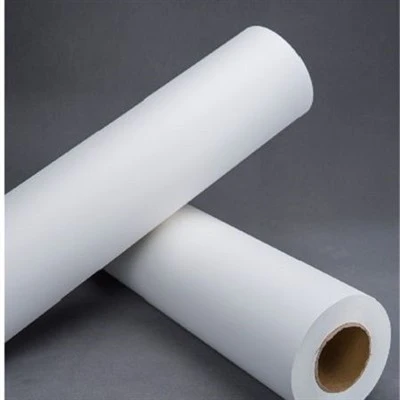
If you’re looking for the right product for your needs—whether you’re a home cook needing cling film for your kitchen, a restaurant needing commercial-grade food wrap, or a small business owner needing to wrap products for shipping, I’m here to help. I can answer your questions, recommend the right product for your specific job, and provide bulk orders for commercial use. Don’t make the same mistakes so many others have, mixing up cling film and stretch wrap and ending up with wasted money, spoiled goods, or broken deliveries. Reach out to discuss your requirements, and let’s make sure you get exactly what you need to get the job done right.
PCB Hot-press Paper References:
- American Chemistry Council. (2022). Plastic Film Products: Types, Uses, and Safety.
- Food and Drug Administration (FDA). (2021). Food Contact Substances: Polyethylene Films for Food Packaging.
- European Food Safety Authority (EFSA). (2020). Safety Assessment of Cling Films for Food Contact.
- Stretch Wrap Institute. (2023). Guide to Stretch Film Properties, Applications, and Best Practices.
- Packaging Association of North America. (2022). Understanding the Differences Between Packaging Films for Retail and Industrial Use.
- National Restaurant Association. (2021). Commercial Kitchen Food Storage: Best Practices for Wrap and Seal.
Shanghai Rongying Industrial Co., Ltd.
As one of the most professional cling film manufacturers and suppliers in China, we’re featured by quality products and good price. Please rest assured to wholesale customized cling film from our factory. If you have any enquiry about quotation and free sample, please feel free to email us.
Address: Jiahua Business Center C building 204 Room, No.808 Hongqiao Road, Xuhui District, Shanghai, China
E-mail: info@shryspecialtypaper.com
WebSite: https://www.woolpaper.com/
