Hey there! I’m a supplier in the airport logistics equipment game. And if you’re in the airport biz, you know that keeping your equipment in top – shape is super important. But what exactly are the maintenance costs of airport logistics equipment? Let’s dig into it. Airport Logistics Equipment

First off, we’ve got to talk about the different types of airport logistics equipment. There are conveyor belts, cargo loaders, palletizers, forklifts, and a whole bunch more. Each type has its own unique set of maintenance needs and costs.
Let’s start with conveyor belts. These bad boys are the backbone of airport cargo handling. They’re constantly moving stuff around, so they take a lot of wear and tear. The maintenance costs for conveyor belts can come from a few different places. One of the biggest expenses is the replacement of belts. Over time, the belts can get worn out, develop cracks, or start to slip. And when that happens, you’ve got to replace them. Depending on the size and quality of the belt, a replacement can cost anywhere from a few hundred bucks to several thousand.
Then there are the motors and drives that power the conveyor belts. These need to be regularly checked and serviced. You’ve got to make sure the motors are lubricated, the electrical connections are tight, and the drives are functioning properly. Any problems with the motors or drives can lead to the conveyor belt breaking down, which is a huge headache. Maintenance for these components can involve things like cleaning, adjusting, and replacing parts. And that can add up – a motor repair or replacement can set you back a significant amount of money.
Another cost factor for conveyor belts is the alignment. If the belts aren’t properly aligned, they can cause uneven wear and tear, and even damage other parts of the equipment. Regularly checking and adjusting the alignment is crucial, but it also takes time and money. You might need to hire a professional technician to do this, and their fees can be pretty steep.
Now, let’s move on to cargo loaders. These are used to load and unload cargo from airplanes. They’re big, heavy – duty machines, and they need a lot of maintenance. One of the main costs associated with cargo loaders is the maintenance of the hydraulic systems. The hydraulic systems are what allow the loader to lift and move heavy cargo. The hydraulic fluid needs to be changed regularly, and the hoses and seals need to be inspected for leaks. If there’s a leak in the hydraulic system, it can cause a loss of power and potentially damage the loader. Replacing hydraulic hoses and seals can be expensive, and so can the cost of the hydraulic fluid.
The engine of a cargo loader is another major maintenance cost. Just like in a car, the engine needs regular oil changes, filter replacements, and tune – ups. And because cargo loaders are used in a high – stress environment, the engines can wear out faster than in a regular vehicle. Engine repairs or replacements can be a huge financial hit.
Tires are also an important part of cargo loaders. The tires need to be checked for wear and tear, and replaced when necessary. Since cargo loaders carry heavy loads, the tires can wear out quickly, especially if they’re used on rough surfaces. And depending on the size and type of the tires, a single replacement can be quite pricey.
Palletizers are another piece of equipment in the airport logistics arsenal. These machines are used to stack and organize cargo on pallets. One of the main maintenance costs for palletizers is the maintenance of the mechanical parts. The arms, grippers, and other moving parts need to be regularly lubricated and inspected for damage. Over time, the mechanical parts can wear out, and they may need to be replaced. The cost of replacement parts and the labor to install them can add up.
The sensors and controls on palletizers are also crucial for their proper operation. These need to be calibrated regularly to ensure accurate stacking and organizing of cargo. If the sensors or controls malfunction, it can lead to incorrect palletizing, which can cause delays and even damage to the cargo. Repairing or replacing sensors and controls can be expensive.
Forklifts are ubiquitous in airport logistics. They’re used for moving pallets around the airport terminal and cargo areas. The maintenance costs for forklifts are similar to those of cars, but with some unique aspects. The battery is a big cost factor for electric forklifts. Over time, the battery loses its capacity, and it needs to be replaced. A new battery can be quite expensive, and you also need to consider the cost of the charging infrastructure.
For gas – powered forklifts, the engine maintenance is similar to that of a regular vehicle, but they’re often used more intensively, so they may need more frequent servicing. The tires on forklifts also wear out quickly, especially if they’re used on hard surfaces. And just like with cargo loaders, replacing forklift tires can be costly.
In addition to the direct maintenance costs of the equipment itself, there are also some indirect costs to consider. One of these is the cost of downtime. When a piece of equipment breaks down, it can cause delays in the airport logistics operations. This can lead to missed flights, unhappy customers, and even potential legal issues. The cost of downtime can be difficult to calculate, but it can be substantial.
Another indirect cost is the cost of training. Your maintenance staff need to be trained to properly service and repair the equipment. This may involve sending them to training courses or bringing in experts to train them on – site. The cost of training, including the time spent away from work and the training fees, can be a significant part of the overall maintenance costs.
Now, you might be thinking, "This all sounds really expensive!" But here’s the thing – proper maintenance can actually save you money in the long run. By regularly servicing your equipment, you can prevent major breakdowns and extend the lifespan of the equipment. This means you won’t have to replace your equipment as often, which can be a huge cost savings.
As a supplier of airport logistics equipment, I’ve seen firsthand how different maintenance strategies can impact the bottom line. I’ve worked with airports that have a proactive maintenance approach, where they regularly check and service their equipment, and they tend to have lower overall costs compared to those that only fix things when they break.
So, if you’re an airport manager or someone involved in airport logistics, and you’re looking to manage your maintenance costs better, I’d love to chat. We at our company have a wide range of equipment and also offer maintenance solutions. We can work with you to develop a maintenance plan that fits your budget and your operational needs. Maybe we can find ways to reduce your maintenance costs without sacrificing the performance of your equipment.
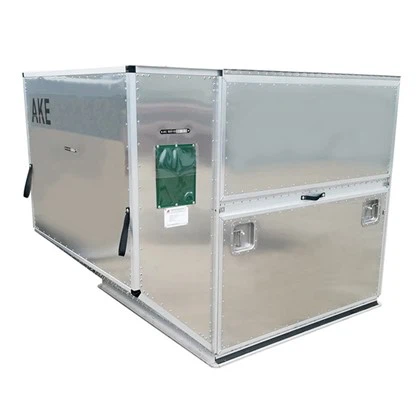
If you’re interested in learning more or having a discussion about your airport’s logistics equipment needs, don’t hesitate to reach out. We’re here to help you keep your airport running smoothly and efficiently.
Dolly References:
- "Airport Ground Support Equipment Maintenance Best Practices" – Industry white paper
- "Logistics Equipment Lifecycle Cost Analysis" – Academic research on the cost aspects of logistics equipment
- "Maintenance Strategies for Heavy – Duty Equipment in Aviation" – Professional journal articles on aviation equipment upkeep
Wuxi Aviation Ground Equipment Co., Ltd.
Wuxi Aviation Ground Equipment Co., Ltd. is well-known as one of the leading airport logistics equipment manufacturers and suppliers in China. Please rest assured to buy or wholesale discount airport logistics equipment for sale here from our factory. For price consultation, contact us.
Address: No.18 Dingxiang East Road, Hudai Town, Binhu District, Wuxi, Jiangsu, P.R. China
E-mail: sales@wxagecl.com
WebSite: https://www.wxagecl.com/
