Maltodextrin has emerged as a popular ingredient in various industries, from food and beverage to pharmaceuticals and even sports nutrition. As a leading maltodextrin supplier, I often get asked: "Is maltodextrin a natural product?" This question is more complex than it seems, and today, I’m going to dive deep into the science behind maltodextrin to shed some light on this topic. Maltodextrin
Understanding Maltodextrin
Maltodextrin is a polysaccharide that is produced from starch. It is commonly made from corn, rice, potato starch, or wheat. The production process involves breaking down the starch molecules into smaller, more manageable units through a process called hydrolysis. This can be achieved using either acids or enzymes.
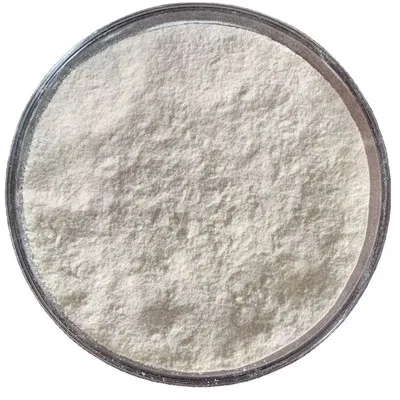
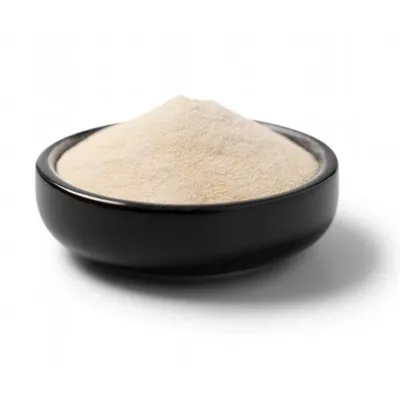
The hydrolysis of starch into maltodextrin is essentially a way to make the starch more soluble and easier to use in different applications. Maltodextrin is a white, odorless powder that is highly water – soluble and has a relatively neutral taste. It is often used as a filler, thickener, or sweetener in a wide range of products.
The Natural vs. Synthetic Debate
When we talk about whether a product is "natural," the definition can be quite subjective. In general, a natural product is one that is derived from nature with minimal processing. By this definition, maltodextrin has a strong case for being considered natural since it is made from natural starches.
However, the processing involved in making maltodextrin can complicate this view. The hydrolysis process, whether using acids or enzymes, is a form of chemical processing. Some people argue that any form of chemical processing takes a product out of the "natural" category.
Let’s take a closer look at the production process. When corn, for example, is used as the starting material, it is first milled to extract the starch. This is a relatively straightforward mechanical process. Then, the hydrolysis step takes place. If enzymes are used, they are often derived from natural sources such as bacteria or fungi. Enzymatic hydrolysis is a more gentle process that mimics the way our bodies break down starch.
On the other hand, acid hydrolysis involves the use of strong acids. While the acids are removed during the purification process, the use of these chemicals can make some consumers wary of considering maltodextrin a natural product.
Regulatory Perspectives
Regulatory bodies around the world have different definitions of what constitutes a "natural" product. In the United States, the Food and Drug Administration (FDA) does not have a strict definition of the term "natural." However, they have issued guidelines stating that the term should be used to imply that a product does not contain added color, artificial flavors, or synthetic substances.
Under these guidelines, maltodextrin can be considered natural as long as it is made from natural sources and does not contain any added synthetic substances. In the European Union, the situation is similar. The EU does not have a single, unified definition of "natural," but individual member states may have their own regulations.
In the food industry, many products that contain maltodextrin are labeled as "natural" as long as the maltodextrin is produced from natural starches and the processing methods meet the regulatory requirements.
Health and Nutrition Aspects
From a health and nutrition perspective, maltodextrin is a rapidly digestible carbohydrate. It is quickly broken down into glucose in the body, providing a quick source of energy. This makes it a popular ingredient in sports drinks and energy bars.
Since it is derived from natural starches, maltodextrin contains some of the nutrients found in the original source. For example, if it is made from corn, it may contain small amounts of vitamins and minerals present in corn. However, the processing can reduce the overall nutrient content compared to the whole food.
Some people may have concerns about the high glycemic index of maltodextrin. The glycemic index measures how quickly a carbohydrate raises blood sugar levels. Maltodextrin has a high glycemic index, which means it can cause a rapid spike in blood sugar. This can be a problem for people with diabetes or those trying to manage their blood sugar levels.
Applications of Maltodextrin
Maltodextrin’s versatility is one of the reasons for its popularity. In the food and beverage industry, it is used in a wide variety of products. It can be found in instant soups, where it acts as a thickener and filler. In sports drinks, it provides a quick source of energy. In confectionery, it is used to improve the texture and shelf – life of products.
In the pharmaceutical industry, maltodextrin is used as a carrier for drugs and vitamins. Its high solubility and neutral taste make it an ideal choice for formulating medications. In the cosmetic industry, it can be used as a binder and thickener in products such as creams and lotions.
Our Commitment as a Maltodextrin Supplier
As a maltodextrin supplier, we are committed to providing high – quality products. We source our starches from reliable and sustainable sources. We use state – of – the – art production facilities to ensure that our maltodextrin is produced in a safe and efficient manner.
We understand the concerns of our customers about the naturalness of our products. That’s why we offer both enzyme – hydrolyzed and acid – hydrolyzed maltodextrin. Our enzyme – hydrolyzed maltodextrin is made using natural enzymes, which can be a more appealing option for those who are looking for a more "natural" product.
We also conduct rigorous quality control tests on all our products. This includes testing for purity, moisture content, and microbial contamination. We want to ensure that our maltodextrin meets the highest standards of quality and safety.
Conclusion
So, is maltodextrin a natural product? The answer is not a simple yes or no. While it is derived from natural starches, the processing involved can make it a subject of debate. However, from a regulatory and practical perspective, it can be considered natural as long as it is produced from natural sources and does not contain added synthetic substances.
Maltodextrin As a maltodextrin supplier, we are here to provide you with the information and products you need. Whether you are in the food, beverage, pharmaceutical, or cosmetic industry, we have the right maltodextrin for your application. If you are interested in learning more about our maltodextrin products or would like to discuss a potential purchase, please feel free to reach out to us. We look forward to the opportunity to work with you and meet your maltodextrin needs.
References
- American Chemical Society. (20XX). "Starch Hydrolysis and Maltodextrin Production." Journal of Food Science and Technology.
- European Food Safety Authority. (20XX). "Regulatory Considerations for Maltodextrin in Food Products." EFSA Journal.
- U.S. Food and Drug Administration. (20XX). "Guidelines on the Use of the Term ‘Natural’ in Food Labeling."
Fudijia (Tianjin) Supply Chain Co., Ltd.
With abundant experience, we re one of the most professional maltodextrin manufacturers and suppliers in China. We warmly welcome you to wholesale bulk high quality maltodextrin made in China here from our factory. For more information, contact us now.
Address: 301-2-1C,Jin Bin Jie Zuo,No.98, Huanghai Road,TEDA, Tianjin, China
E-mail: foodchem@hjlfoods.com
WebSite: https://www.ifoodchem.com/
