Hey there! I’m a supplier of solenoid valves. You might be wondering why I’m writing about preventing solenoid valves from freezing. Well, it’s a common issue that can mess up the performance of these valves, and I bet you don’t want that to happen. So, let’s dive right in and talk about how to keep those solenoid valves from turning into ice blocks. Solenoid Valves
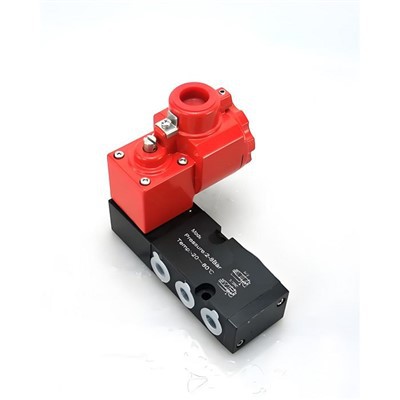
Why Do Solenoid Valves Freeze?
First off, let’s understand why solenoid valves freeze in the first place. Solenoid valves are used in all sorts of systems, and many of them deal with fluids. When the temperature drops below freezing point (0°C or 32°F), the water or other fluids inside the valve can turn into ice. As water freezes, it expands, and this expansion can cause some serious damage to the valve components. It can crack the valve body, damage the seals, and even break the solenoid coil. And once that happens, your valve is pretty much useless, and you’ll have to replace it.
Another reason is poor insulation. If the valve isn’t properly insulated, it’s more exposed to the cold air. This means the heat inside the valve can easily escape, and it becomes more likely for the fluid to freeze. Also, if the valve is located in an area with a lot of drafts or in an unheated space, the chances of freezing increase significantly.
How to Prevent Freezing
Insulation
One of the easiest and most effective ways to prevent solenoid valves from freezing is to insulate them. You can use insulating materials like foam sleeves or tape. These materials help to trap the heat inside the valve and prevent it from escaping. You can find these insulation products at most hardware stores.
When you’re insulating the valve, make sure to cover the entire valve body, including the connections. Pay special attention to the areas where the fluid enters and exits the valve. These are the places where the fluid is most likely to freeze first. You can also add extra insulation around the solenoid coil. This helps to keep the coil at a more stable temperature, which can prevent damage caused by freezing.
Heating
If insulation isn’t enough, you might need to consider adding some heat to the valve. There are a few different ways to do this. One option is to use a heat trace cable. This is a special cable that generates heat when an electric current passes through it. You can wrap the heat trace cable around the valve body and connect it to a power source. Make sure to follow the manufacturer’s instructions when installing the heat trace cable to avoid any safety issues.
Another option is to use a heating pad. You can attach the heating pad to the valve body using adhesive or straps. Heating pads are available in different sizes and wattages, so you can choose one that’s suitable for your valve. Just like with the heat trace cable, make sure to use the heating pad according to the manufacturer’s instructions.
Installing in a Warm Location
If possible, try to install the solenoid valve in a warm location. This could be inside a heated building or in an area that’s protected from the cold. Avoid installing the valve in areas that are exposed to the elements, such as outside walls or unheated storage areas.
If you have to install the valve outside, consider building a small enclosure around it. The enclosure can be made of wood or metal and should be insulated to keep the heat inside. You can also add a small heater to the enclosure to keep the temperature above freezing.
Draining the Valve
If the valve isn’t going to be used during the cold winter months, you can prevent freezing by draining the fluid from the valve. This is especially important if the valve contains water. To drain the valve, first turn off the power to the solenoid. Then, open the valve and let the fluid drain out. You may need to use a wrench to open some of the drain ports.
After draining the valve, make sure to dry it thoroughly. You can use a clean cloth or compressed air to remove any remaining moisture. This helps to prevent any remaining water from freezing and causing damage to the valve.
Regular Maintenance
Regular maintenance is key to preventing solenoid valve freezing. You should check the insulation regularly to make sure it’s still in good condition and that there are no gaps or holes. Inspect the heat trace cable or heating pad for any signs of damage, such as frayed wires or burn marks.
You should also check the valve for any signs of leaks. A leak can allow water to accumulate inside the valve, which increases the risk of freezing. If you notice any leaks, repair them as soon as possible.
Choosing the Right Solenoid Valve
When you’re in the market for a solenoid valve, it’s important to choose one that’s suitable for cold weather conditions. Some solenoid valves are designed to be more resistant to freezing. These valves may have thicker walls, better insulation, or other features that help to prevent freezing.
When talking to a supplier, ask about the valve’s cold weather performance. They should be able to provide you with information about the valve’s minimum operating temperature and any special features that make it suitable for cold climates.
Conclusion
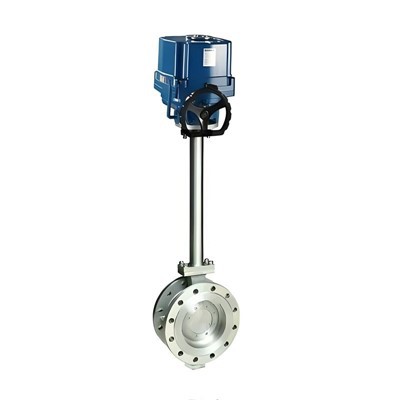
Preventing solenoid valves from freezing is crucial to ensure their proper functioning and longevity. By following the tips I’ve mentioned above, such as insulating the valve, adding heat, installing it in a warm location, draining it when not in use, and performing regular maintenance, you can significantly reduce the risk of freezing.
Globe Valve If you’re in the market for solenoid valves or need more advice on preventing freezing, don’t hesitate to reach out. I’m here to help you find the right solutions for your needs. Whether you’re dealing with a small residential system or a large industrial application, I’ve got the expertise to assist you in keeping your solenoid valves in top shape during the cold months. So, let’s start a conversation and get your solenoid valve situation sorted out!
References
- Handbook of Solenoid Technology by Ronald L. Kenzke
- Valves: Selection and Sizing by Frank M. Leung
Wuxi PYNOS Flow-tech Co., Ltd.
As one of the leading solenoid valves manufacturers and suppliers in China, we offer a wide range of products with superior quality. We warmly welcome you to buy high quality solenoid valves made in China here from our factory. We also accept customized orders.
Address: Sales Center: 7th Floor, No.19 Qingyuan RD, Wuxi City, Jiangsu Prov., China
E-mail: Info@pynosvalve.com
WebSite: https://www.pynosvalves.com/
