Hey there, folks! I’m a supplier of Calcium Hydroxide Powder, and today I wanna chat about the environmental impacts of this stuff. Calcium hydroxide powder, also known as slaked lime, is a versatile chemical with a wide range of applications. But like any substance, it has its effects on the environment, both good and bad. Let’s dive in and take a closer look. Calcium Hydroxide Powder

Positive Environmental Impacts
Water Treatment
One of the major uses of calcium hydroxide powder is in water treatment. It’s super effective at treating acidic water. When you add it to acidic water, it neutralizes the acid. This is crucial because acidic water can be harmful to aquatic life and can also corrode pipes in the water distribution system. By raising the pH of the water, calcium hydroxide helps create a more stable and less corrosive environment.
For example, in industrial wastewater treatment, many factories produce acidic effluents. Dumping this acidic water directly into rivers or lakes would be a disaster for the local ecosystem. But by using calcium hydroxide powder, the acidity can be neutralized, reducing the negative impact on aquatic plants and animals. It also helps in removing heavy metals from the water. Calcium hydroxide can react with heavy metal ions like lead and mercury, forming insoluble compounds that can be easily removed through sedimentation or filtration.
Soil Remediation
Calcium hydroxide powder is also a great tool for soil remediation. In areas where the soil has been contaminated with heavy metals or is too acidic, adding calcium hydroxide can help. It can increase the pH of the soil, making it less acidic. This is beneficial for plants because most plants prefer a slightly acidic to neutral soil pH. When the soil pH is adjusted, it can enhance the availability of nutrients to the plants, promoting better growth.
Moreover, calcium hydroxide can also immobilize heavy metals in the soil. When heavy metals are present in the soil, they can be taken up by plants and enter the food chain. By adding calcium hydroxide, these heavy metals are converted into less soluble forms, reducing their mobility and bioavailability. This helps in protecting the environment and human health from the risks associated with heavy metal contamination.
Flue Gas Desulfurization
In the power generation and industrial sectors, a lot of sulfur dioxide is released into the atmosphere during the combustion of fossil fuels. Sulfur dioxide is a major air pollutant that can cause acid rain, respiratory problems, and other environmental issues. Calcium hydroxide powder is used in flue gas desulfurization (FGD) systems to remove sulfur dioxide from the flue gas.
The process is pretty straightforward. When flue gas containing sulfur dioxide comes into contact with calcium hydroxide, a chemical reaction occurs, and sulfur dioxide is converted into calcium sulfite or calcium sulfate. These products can be easily captured and removed from the system. This way, the amount of sulfur dioxide released into the atmosphere is significantly reduced, helping to improve air quality and protect the environment from the harmful effects of acid rain.
Negative Environmental Impacts
Production Process
The production of calcium hydroxide powder involves several steps, and each step has its own environmental impacts. The first step is the extraction of limestone. Limestone mining can have a significant impact on the environment. It can lead to habitat destruction, soil erosion, and water pollution. When large areas of land are mined for limestone, it disrupts the natural ecosystem, displacing native plants and animals.
The next step is the calcination of limestone, which is done at high temperatures in a kiln. This process requires a large amount of energy, usually from fossil fuels. The burning of fossil fuels releases greenhouse gases like carbon dioxide into the atmosphere, contributing to global warming. Additionally, the calcination process can also release pollutants such as particulate matter and sulfur dioxide, which can have negative impacts on air quality.
Handling and Storage
Calcium hydroxide powder is a fine powder, and if it’s not handled properly, it can become airborne. Inhalation of calcium hydroxide dust can be harmful to human health, causing respiratory problems such as coughing, wheezing, and shortness of breath. When it comes to storage, calcium hydroxide is hygroscopic, which means it absorbs moisture from the air. If it’s stored in a damp environment, it can react with carbon dioxide in the air to form calcium carbonate. This not only reduces the effectiveness of the product but can also lead to the release of heat, which can be a fire hazard.
Over – Application
Although calcium hydroxide has many benefits in water treatment, soil remediation, and other applications, over – application can cause problems. In water treatment, if too much calcium hydroxide is added, it can raise the pH of the water too high, making it alkaline. This can be harmful to aquatic life, as many aquatic organisms are adapted to a specific pH range. In soil, over – application of calcium hydroxide can lead to an imbalance of nutrients. It can reduce the availability of certain micronutrients like iron, manganese, and zinc, which are essential for plant growth.
Mitigating the Negative Impacts
Sustainable Production
To reduce the environmental impact of the production process, we can focus on sustainable mining practices. This includes reclamation of mined areas, where the land is restored to its natural state after mining is completed. We can also use more energy – efficient kilns in the calcination process. For example, using waste heat recovery systems can help reduce the energy consumption and greenhouse gas emissions associated with the production of calcium hydroxide powder.
Proper Handling and Storage
Proper handling and storage are essential to minimize the negative impacts. When handling calcium hydroxide powder, workers should wear appropriate personal protective equipment (PPE), such as dust masks and goggles, to prevent inhalation and contact with the eyes. For storage, it should be kept in a dry, well – ventilated area, away from sources of moisture and heat.
Application Monitoring
When using calcium hydroxide powder in water treatment and soil remediation, it’s important to monitor the application carefully. Regular testing of water and soil parameters can help ensure that the right amount of calcium hydroxide is being used. This can prevent over – application and minimize the negative impacts on the environment.
Conclusion
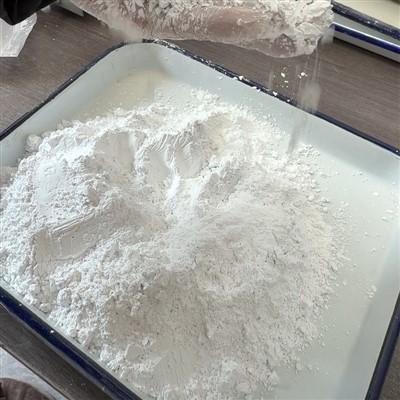
Calcium hydroxide powder is a useful chemical with a lot of environmental benefits, especially in water treatment, soil remediation, and flue gas desulfurization. But it also has some negative environmental impacts, mainly related to its production, handling, and over – application. As a supplier, I’m committed to promoting the sustainable use of calcium hydroxide powder. We can work together to maximize its benefits while minimizing its environmental footprint.
Dolomite Powder If you’re interested in purchasing high – quality calcium hydroxide powder for your water treatment, soil remediation, or other applications, feel free to reach out to me. I’d be happy to discuss your needs and provide you with the best solutions.
References
- Environmental Protection Agency (EPA). "Water Treatment Technologies: Lime Softening."
- American Society of Agronomy. "Soil Remediation Using Lime Materials."
- International Energy Agency. "Flue Gas Desulfurization Technologies."
Chaohu Jirun Energy Conservation and Environmental Protection Technology Co., Ltd.
We’re well-known as one of the leading calcium hydroxide powder manufacturers and suppliers in China, also support customized service. Welcome to wholesale high quality calcium hydroxide powder in stock here from our factory. If you have any enquiry about pricelist, please feel free to email us.
Address: No. 9, north of the intersection of Weihai Road and Weili Avenue, within the industrial park of Yinping Town, Chaohu City, Hefei City, Anhui Province.
E-mail: 13305654485@163.com
WebSite: https://www.chaohujirun.com/
