In the contemporary world of orthodontics, technological advancements have revolutionized the way dental professionals approach treatment planning and patient care. One such innovation that has gained significant traction is the dental digital scanner. As a dental digital scanner supplier, I am frequently asked whether these scanners can be used for orthodontics. In this blog post, I will delve into this question, exploring the capabilities and benefits of dental digital scanners in the context of orthodontic treatment. Dental Digital Scanner

Understanding Dental Digital Scanners
Before we can discuss the use of dental digital scanners in orthodontics, it is important to understand what these scanners are and how they work. Dental digital scanners are devices that use optical technology to capture detailed 3D images of a patient’s teeth, gums, and jaw. These images are then used to create digital models that can be manipulated and analyzed by dental professionals.
There are several different types of dental digital scanners available on the market, each with its own unique features and capabilities. Some scanners are designed to be used chairside, allowing dentists to capture images directly in the dental office. Other scanners are more suitable for use in a dental laboratory, where they can be used to create detailed models for the fabrication of dental appliances.
The Role of Dental Digital Scanners in Orthodontics
Orthodontics is a specialized branch of dentistry that focuses on the diagnosis, prevention, and treatment of dental and facial irregularities. The goal of orthodontic treatment is to correct misaligned teeth and jaws, improve bite function, and enhance the overall aesthetics of the smile.
Dental digital scanners play a crucial role in orthodontic treatment planning. By providing detailed 3D images of the patient’s teeth and jaws, these scanners allow orthodontists to accurately assess the patient’s condition and develop a personalized treatment plan. Here are some of the key ways in which dental digital scanners are used in orthodontics:
1. Diagnosis and Treatment Planning
One of the primary uses of dental digital scanners in orthodontics is for diagnosis and treatment planning. By capturing detailed 3D images of the patient’s teeth and jaws, these scanners allow orthodontists to identify any dental or facial irregularities and develop a customized treatment plan.
For example, a dental digital scanner can be used to measure the size and shape of the patient’s teeth, as well as the alignment of the jaws. This information can then be used to determine the best course of treatment, such as the use of braces, aligners, or other orthodontic appliances.
2. Fabrication of Orthodontic Appliances
Another important use of dental digital scanners in orthodontics is for the fabrication of orthodontic appliances. Once the orthodontist has developed a treatment plan, the digital models created by the scanner can be used to design and fabricate customized orthodontic appliances, such as braces, aligners, and retainers.
For example, Invisalign, a popular brand of clear aligners, uses dental digital scanners to create customized treatment plans and aligners for each patient. The digital models created by the scanner are used to design a series of clear aligners that gradually move the teeth into the desired position.
3. Monitoring Treatment Progress
Dental digital scanners can also be used to monitor the progress of orthodontic treatment. By capturing regular 3D images of the patient’s teeth and jaws, these scanners allow orthodontists to track the movement of the teeth and make any necessary adjustments to the treatment plan.
For example, if the orthodontist notices that the teeth are not moving as expected, they can use the digital models created by the scanner to analyze the situation and make any necessary changes to the treatment plan. This can help to ensure that the treatment is progressing as planned and that the patient achieves the desired results.
Benefits of Using Dental Digital Scanners in Orthodontics
There are several benefits to using dental digital scanners in orthodontics. Here are some of the key advantages:
1. Improved Accuracy
One of the main benefits of using dental digital scanners in orthodontics is the improved accuracy of diagnosis and treatment planning. By providing detailed 3D images of the patient’s teeth and jaws, these scanners allow orthodontists to make more precise measurements and identify any dental or facial irregularities that may not be visible with traditional methods.
For example, a dental digital scanner can be used to measure the size and shape of the patient’s teeth, as well as the alignment of the jaws. This information can then be used to develop a more accurate treatment plan and ensure that the orthodontic appliances fit properly.
2. Enhanced Patient Experience
Another benefit of using dental digital scanners in orthodontics is the enhanced patient experience. Traditional methods of taking dental impressions, such as using putty or trays, can be uncomfortable and messy for patients. In contrast, dental digital scanners are non-invasive and painless, making the process of taking dental impressions much more comfortable for patients.
In addition, dental digital scanners can provide instant feedback, allowing patients to see the 3D images of their teeth and jaws immediately. This can help to increase patient engagement and understanding of the treatment process.
3. Increased Efficiency
Dental digital scanners can also increase the efficiency of orthodontic treatment. By providing detailed 3D images of the patient’s teeth and jaws, these scanners allow orthodontists to develop treatment plans more quickly and accurately. In addition, the digital models created by the scanner can be used to design and fabricate orthodontic appliances more efficiently, reducing the turnaround time for treatment.
4. Cost-Effectiveness
Finally, using dental digital scanners in orthodontics can be cost-effective in the long run. While the initial investment in a dental digital scanner may be higher than traditional methods of taking dental impressions, the increased efficiency and accuracy of the scanner can lead to cost savings over time.
For example, by reducing the number of appointments needed for treatment and the amount of time spent on treatment, dental digital scanners can help to lower the overall cost of orthodontic treatment for patients.
Conclusion
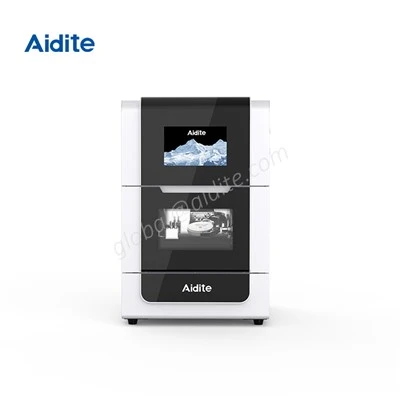
In conclusion, dental digital scanners can be used effectively in orthodontics. These scanners provide detailed 3D images of the patient’s teeth and jaws, allowing orthodontists to accurately diagnose and treat dental and facial irregularities. In addition, dental digital scanners offer several benefits, including improved accuracy, enhanced patient experience, increased efficiency, and cost-effectiveness.
Sintering and Porcelain Furnace As a dental digital scanner supplier, I am committed to providing high-quality scanners that meet the needs of orthodontic professionals. If you are an orthodontist or a dental professional interested in learning more about our dental digital scanners, I encourage you to contact me to discuss your specific requirements and explore the possibilities of incorporating this technology into your practice.
References
- American Association of Orthodontists. (n.d.). What is orthodontics? Retrieved from https://www.braces.org/about-orthodontics/what-is-orthodontics.
- Dental Heritage, Ltd. (2019). Digital vs. traditional impressions: What are the differences? Retrieved from https://www.dentalheritage.com/digital-vs-traditional-impressions/.
- Invisalign. (n.d.). How Invisalign works. Retrieved from https://www.invisalign.com/how-it-works.
Aidite (Qinhuangdao) Technology Co., Ltd.
Aidite (Qinhuangdao) Technology Co., Ltd. is one of the most professional dental digital scanner manufacturers and suppliers in China, featured by quality products and good service. Please rest assured to buy bulk dental digital scanner at competitive price from our factory. Also, quotation is available.
Address: No.9 Dushan Road, Economic and Technological Development Zone, Qinhuangdao, Hebei Prov., China
E-mail: global@aidite.com
WebSite: https://www.aiditeglobal.com/
