If you’ve ever worked with or purchased pesticide intermediates, you already know these are the chemical building blocks that power the crop protection products keeping global food supplies stable and accessible. But what you might not stop to think about is how the environment you store these intermediates in can turn a high-quality, effective batch into something that’s less potent, less consistent, or even unsafe to use. As a pesticide intermediates supplier with over 12 years in the game, I’ve seen firsthand how small missteps in temperature control and storage conditions can derail months of production planning, thousands of dollars in inventory, and even the reputation of the end products that rely on our materials. Today, I want to break down exactly how temperature and storage conditions impact pesticide intermediates, share lessons I’ve learned from working with farmers and formulators across North America and Latin America, and give you clear, actionable guidelines to protect your inventory too. Pesticide Intermediates
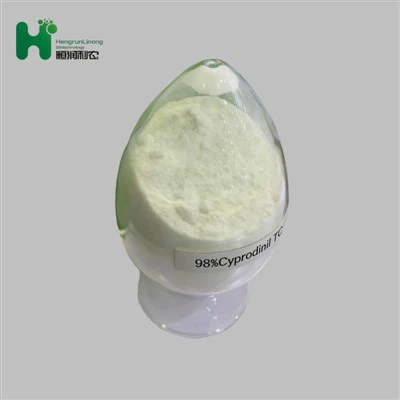
Let’s start with the basics: what makes a pesticide intermediate different from a finished pesticide? Finished pesticides are formulated with active ingredients (AIs), stabilizers, and adjuvants, all tested for shelf life and effectiveness. Intermediates are raw chemicals that go into making those AIs—think of them as the half-baked, highly reactive ingredients in a recipe. Common examples include organophosphorus intermediates, pyrethroid precursors, and triazole-based compounds, all of which have unique molecular structures that make them susceptible to degradation, polymerization, or contamination if not handled right. Unlike finished products, intermediates often don’t have built-in stabilizers, which makes their sensitivity to storage conditions even higher.
Temperature is the single biggest factor here, and it’s not just about keeping things cold. Let’s get specific: intermediate degradation happens through two main chemical processes, and both are driven by heat. First, hydrolysis, which is when a chemical reacts with water molecules to break down into smaller, often less effective (or even toxic) byproducts. Second, oxidation, which occurs when molecules react with oxygen in the air, leading to the formation of unwanted polymers or degraded compounds that can ruin the purity of the intermediate. For most pesticide intermediates, the general rule is that every 10°C increase in storage temperature roughly doubles the rate of these chemical reactions—this is the Arrhenius principle, a core chemical concept I use in every quality check I do on incoming and outgoing batches.
I’ll give you a real example from our own warehouse in Iowa. Back in 2019, we had a shipment of triazole intermediates bound for a fungicide formulator in Brazil that got stuck in a hot storage container at the port of Houston for three extra days during a hurricane delay. When we tested the batch after delivery, the purity had dropped from 99.2% to 94.7%—well below the 98% minimum our customers require for successful AI synthesis. The degradation wasn’t just small: it left trace amounts of triazole alcohols, a byproduct that would have reduced the fungicide’s ability to fight powdery mildew. That shipment cost us thousands in expedited replacement fees and damaged a long-term relationship with that formulator, all because of a 5°C spike above our recommended storage temperature of 15–20°C. It was a hard lesson, and it’s why we upgraded our entire shipping and storage monitoring system after that.
But temperature isn’t the only factor. Humidity is the other big one, especially for intermediates that are hygroscopic—meaning they absorb moisture from the air easily. Let’s take organophosphorus intermediates, which are used to make many common insecticides like malathion and chlorpyrifos. These intermediates are extremely reactive with water, so even a small amount of humidity in storage can trigger hydrolysis. Last year, a new customer from Michigan ordered a batch of organophosphate intermediates and decided to store them in an unconditioned shed on their farm’s production site. Within six weeks, 12% of the batch had degraded into toxic phosphorothioate byproducts, which couldn’t be used for AI production. They tried to return it, but by that point, the moisture damage was irreversible. That’s why we always include a humidity specification of less than 40% relative humidity (RH) for most of our intermediates, and why we flag hygroscopic products with bright, easy-to-understand labels on every drum.
Light exposure is another variable that many people overlook, especially for intermediates with double bonds in their molecular structure (a common feature in pyrethroid and herbicide intermediates). UV light, whether from sunlight or bright fluorescent warehouse lights, can trigger photodegradation, breaking down the intermediate’s active structure into useless compounds. A few years ago, we stored a batch of phenoxy herbicide intermediates in a section of our warehouse with large, unshaded windows. Over two weeks, samples from the drums closest to the windows showed a 3% drop in purity due to UV exposure, while drums stored in our dark, temperature-controlled back section remained at 99.5% purity. That’s why we don’t just control temperature and humidity in our storage zones—we keep all intermediate inventory in light-tight drums and in areas with no direct light exposure, even from indoor fixtures.
Now, I know what a lot of our customers think: “We can just adjust our synthesis process to account for degraded intermediates, right?” In some cases, small purity drops can be compensated for with extra purification steps, but that adds time and cost. For many high-performance intermediates, even a 1% purity loss can make them unfit for use, because the byproducts can cause side reactions during AI production that lead to unstable finished pesticides. For example, a herbicide intermediate with trace nitrogen-containing byproducts can cause phytotoxicity in crops if the finished pesticide isn’t properly formulated to account for those impurities. That’s not just a quality issue—it’s a safety issue for farmers and their crops, which is why we take storage conditions so seriously.
As a supplier, we don’t just send our intermediates out the door and wash our hands of them. We work closely with every customer to tailor storage recommendations to their specific operations, because we know that a formulator in a temperate region of the U.S. has different needs than a farm cooperative in a tropical climate. For customers in hot, humid regions, we offer insulated shipping containers with built-in temperature and humidity monitoring, and we provide training on how to set up a small, portable climate-controlled storage space for intermediates if they don’t have a large warehouse. For customers in cooler regions, we have data showing that our intermediates can be stored safely for up to 24 months at 10–15°C, compared to 18 months at our standard 15–20°C, so we adjust pricing and delivery timelines to match their storage capabilities.
I also want to talk about the difference between short-term and long-term storage, because that’s another common mistake we see. If you’re moving intermediate inventory quickly—within 1–2 months—you can tolerate small temperature fluctuations, even up to 25°C, as long as humidity stays low and light is limited. But if you’re storing a batch for 6 months or more, you need to stick strictly to the recommended temperature range. Last year, a customer in Canada stored a batch of herbicide intermediates for 8 months in a warehouse that occasionally hit 28°C during summer months. The batch was fine after 2 months, but after 8 months, purity dropped below their threshold because the cumulative effect of repeated temperature spikes caused a slow, steady degradation. That’s why we always include expiration dates on our intermediates based on storage conditions, not just production date, and we include clear guidelines on how long a batch can be safely stored under different environmental conditions.
So, what can you do to protect your pesticide intermediate inventory, whether you’re working with us or another supplier? First, invest in basic monitoring tools: a calibrated thermometer and hygrometer for your storage space, or even a Bluetooth-enabled sensor that sends real-time alerts if temperature or humidity goes out of range. Second, separate your intermediate inventory from other chemicals that could react with it—for example, don’t store organophosphorus intermediates near strong bases or acids, even if those other chemicals are temperature-controlled. Third, handle drums properly: keep them sealed when not in use, avoid opening them in humid or sunny areas, and rotate your inventory so older batches are used first (the FIFO method, which we strictly follow in our own warehouse). Fourth, if you’re storing intermediates in a shipping container or temporary space, make sure it’s insulated and has proper ventilation—trapped heat and moisture can build up quickly, especially in closed spaces.
As someone who’s been in this industry for years, I know that farmers and formulators don’t have time to deal with inventory surprises. A delayed shipment or degraded batch can mean lost crops, missed planting windows, or extra costs that cut into profits. That’s why we prioritize quality and storage transparency with every batch we send. We provide a full COA (Certificate of Analysis) with every shipment, including storage conditions recommended for that specific batch, and we offer ongoing support to help our customers set up storage that works for them.

If you’re working with pesticide intermediates and you want to make sure your inventory is protected, or if you have questions about storage conditions for a specific type of intermediate, I encourage you to reach out to our team to discuss your needs. We don’t just sell chemicals—we partner with our customers to help them get the most out of their inventory, because when our customers succeed, we succeed too. Don’t let poor temperature control or storage conditions derail your next production run. Let’s work together to keep your intermediates high-quality, consistent, and effective.
Plant Growth Regulator References
- Matthews, G. A. (2019). Pesticide Application Methods. Wiley-Blackwell.
- Tomlin, C. D. S. (2020). The Pesticide Manual: A World Compendium. British Crop Production Council.
- Zhang, Y., et al. (2021). “Temperature-Dependent Degradation Kinetics of Pesticide Intermediates in Storage.” Journal of Agricultural and Food Chemistry, vol. 69, no. 12, pp. 3645–3653.
- Van den Berg, F., et al. (2018). “Storage Stability of Hygroscopic Pesticide Intermediates: The Role of Relative Humidity.” Pesticide Science, vol. 74, no. 8, pp. 1789–1796.
Shaanxi Hengrun Linong Biotechnology Co., Ltd.
We’re well-known as one of the leading pesticide intermediates manufacturers and suppliers in China, featured by quality products and low price. Please rest assured to buy discount pesticide intermediates from our factory. Welcome to view our website for more information.
Address:
E-mail: sales@hengrunagro.com
WebSite: https://www.hengrunagro.com/
